

4mm frosted glass
The Indispensable Role of Rebar Caps in Construction Safety Rebar, or reinforcing steel, is an essential component in the construction industry, playing a pivotal role in reinforcing concrete structures. However, the safety and efficacy of this structural element significantly depend on its correct installation and protection, which is where rebar caps come into play. A rebar cap, often made of plastic or rubber, serves as a protective covering for the ends of exposed reinforcement bars. It might seem like a small detail in the grand scheme of a construction project, but its importance cannot be understated. These caps serve multiple functions that contribute to overall site safety and construction quality. Firstly, rebar caps are installed to prevent accidental injuries. Uncovered rebar ends can pose serious hazards on construction sites, with their sharp edges capable of causing lacerations or puncture wounds. Workers, especially those involved in foot traffic or working at height, are at risk of tripping or falling onto these protruding bars. The rebar caps provide a barrier, minimizing the chances of such accidents. Secondly, they protect the integrity of the rebar itself. Exposed steel is prone to corrosion, which can weaken the structural strength over time. Rebar caps act as a shield against environmental elements, particularly moisture, thus extending the lifespan of the reinforcement bars Rebar caps act as a shield against environmental elements, particularly moisture, thus extending the lifespan of the reinforcement bars Rebar caps act as a shield against environmental elements, particularly moisture, thus extending the lifespan of the reinforcement bars Rebar caps act as a shield against environmental elements, particularly moisture, thus extending the lifespan of the reinforcement bars rebar cap . This is particularly crucial in areas with high humidity or where the structure is in constant contact with water. Moreover, rebar caps also facilitate the organization and identification of different bars during the construction process. Different colors or markings on the caps can indicate the size or type of rebar, streamlining the construction workflow and ensuring compliance with engineering plans. The use of rebar caps is not merely a good practice; it's a regulatory requirement in many jurisdictions. Regulatory bodies emphasize the importance of safety precautions on construction sites, and rebar caps are a fundamental part of this mandate. Non-compliance can lead to penalties, delays, or even more severe consequences. In conclusion, rebar caps are a vital aspect of construction safety and quality control. They embody the principle that prevention is better than cure, safeguarding both workers and the structural integrity of the building. While they may appear as insignificant components in the grand design, their role is as crucial as the rebar they cover, ensuring that every step in the construction process is secure and efficient. Therefore, understanding and appreciating the significance of rebar caps is an integral part of responsible and safe construction practices.
about
4mm frosted glass
Understanding Standard Pin Gauges Purpose and Applications Standard pin gauges are essential precision tools widely used in various industries to measure the size of holes and other forms of workpieces. These gauges come in different sizes and are manufactured to meet precise dimensions, allowing for an accurate assessment of a component's size and fit. The depth of understanding the importance of pin gauges is crucial for engineers, machinists, and quality control personnel. What are Standard Pin Gauges? Standard pin gauges are cylindrical tools made from high-quality materials, typically hardened steel, to ensure durability and longevity. These pins are produced in a range of diameters that correspond to specific tolerances dictated by industry standards. Each pin gauge is designed to fit precisely into holes or feature openings of specific sizes, providing a reliable means of measurement. Purpose and Functionality The primary function of standard pin gauges is to verify the tolerance and dimensions of holes in manufactured parts. In applications where precision is paramount, the gauges play a critical role . They can be used for checking the size of an existing hole (acceptance testing) as well as for setting up machines that rely on exact specifications. Pin gauges help ensure that manufacturing processes yield parts that meet the required standards, needing less rework and reducing waste. The use of calibration standards also helps maintain the quality of these gauges. Manufacturers often adhere to specifications mandated by organizations such as ISO (International Organization for Standardization) and ANSI (American National Standards Institute), ensuring that the pin gauges provide universally understood measurements. standard pin gauge Applications Across Industries Standard pin gauges are utilized across various industries, including automotive, aerospace, and manufacturing. In the automotive sector, for instance, they are crucial for ensuring that components like engine cylinders and gear shafts are machined to exact tolerances. In the aerospace industry, pin gauges help verify the dimensions of critical components, ensuring the safe operation of aircraft. Additionally, standard pin gauges find applications in medical device manufacturing, where precision is critical for ensuring the functionality and safety of devices such as surgical instruments and diagnostic equipment. The widespread use of these gauges underscores their importance in maintaining high standards of quality and performance. Conclusion In conclusion, standard pin gauges serve as a vital tool in the arsenal of quality assurance practices. Their accuracy and reliability contribute significantly to the precision required in modern manufacturing processes. By facilitating the accurate measurement of hole dimensions, they support the production of high-quality components that adhere to stringent industry specifications. Understanding the intricacies of standard pin gauges is essential for professionals in engineering and manufacturing fields. As technology evolves and industries demand higher standards of precision, the role of pin gauges will undoubtedly continue to grow, simplifying quality control and enabling the production of flawlessly engineered parts.
-

High quality industrial productsagement

High quality industrial products
View Details -

Meet the diverse needs of customers

Meet the diverse needs of customers
View Details -

Strict quality control

Strict quality control
View Details -

Top raw materials

Top raw materials
View Details -

Trusted supplier

Trusted supplier
View Details
Our application

news and information

Vibration Reduction Pads
Anti-Vibration Pads A Revolution in Equipment Protection In the modern world, vibration is an inevi
y strainer steam trap
Understanding Y-Strainer and Steam Traps Essential Components in Fluid Management In industrial syst
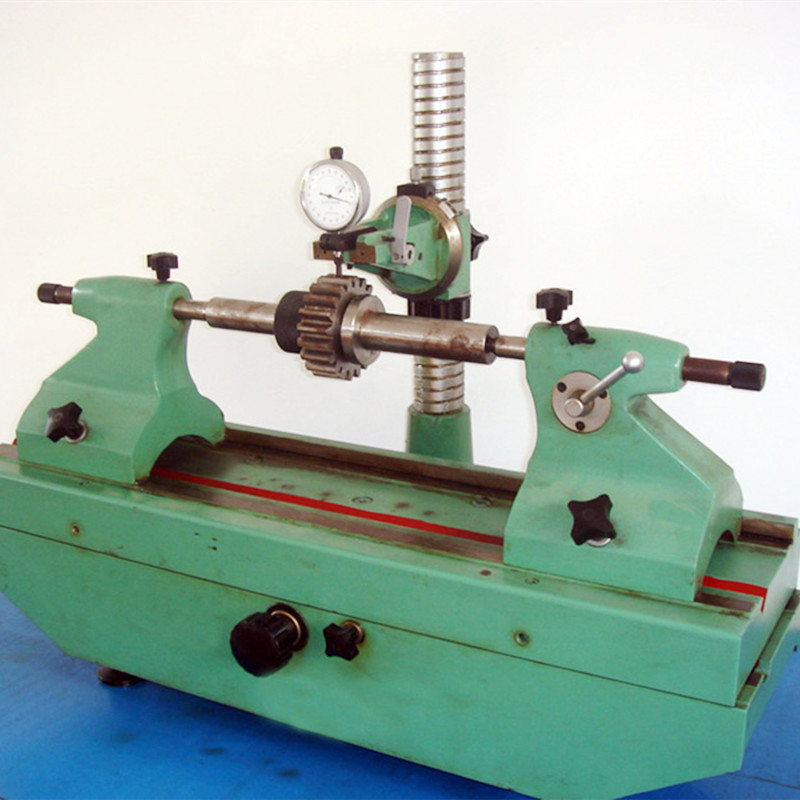
Vee Blocks for Sale - Premium Quality & Competitive Prices
Vee Blocks for Sale A Comprehensive Guide If you are in the manufacturing, engineering, or quality c
 English